
Vitamin D in Summer: Do You Still Need a Supplement When the Sun's Out?
Here is the short answer: in a British summer, you can make vitamin D from sunlight on bare skin – but whether you actually make enough depends on your skin, your routine and how much time you really spend outdoors. That is why "vitamin D in summer" is one of the questions UK shoppers search for most as the days get longer.
At activGen, we think the honest answer is more useful than a hard sell. So here is what the evidence says, what the official UK guidance actually recommends, and what to look for if you decide a supplement still has a place in your routine through June, July and August.

Why is vitamin D such a big deal in the UK?
Vitamin D is sometimes called the "sunshine vitamin" because our skin makes it when exposed to UVB light. The challenge is that the UK sits at a northern latitude where, for much of the year, the sunlight is too weak for the skin to make any vitamin D at all. Summer is the window when that changes.
Vitamin D matters because it plays several important roles in the body. Vitamin D contributes to the normal function of the immune system, contributes to the maintenance of normal bones and contributes to the maintenance of normal muscle function. It also contributes to the normal absorption and utilisation of calcium. These are the everyday jobs vitamin D helps your body do – not a cure for anything.
Do you still need vitamin D in summer?
From around late March to the end of September, most people in the UK can make enough vitamin D from short, regular periods of sunlight on the skin. UK government advice (via the NHS) reflects this: it suggests that during autumn and winter many people should consider a daily supplement, while in spring and summer most people can get what they need from sunlight.
"Most people", though, is doing a lot of work in that sentence. You may make less vitamin D from summer sun than you would expect if you:
- spend most daylight hours indoors, at a desk or behind glass (windows block the UVB needed);
- cover your skin for cultural or personal reasons, or wear sunscreen consistently (sensible for skin safety, but it reduces vitamin D synthesis);
- have darker skin, which naturally produces vitamin D more slowly;
- are older, as the skin becomes less efficient at making vitamin D with age.
In other words, a sunny calendar does not guarantee a sunny dose. For some people, a year-round supplement is the more reliable route – which is exactly why the "do I need it in summer?" question is worth asking rather than assuming.
What does the official UK guidance recommend?
UK public health guidance points to a reference intake of 10 micrograms (400 IU) of vitamin D per day for adults and children over one year who take a supplement. Certain groups – including people with little sun exposure – are advised to consider a supplement all year round. Higher-strength products exist for those who want more headroom, but if you are unsure how much is right for you, it is sensible to speak to a pharmacist or GP, especially if you take other medication.
What should you look for in a vitamin D supplement?
Not all vitamin D products are the same. Here is a simple "what to look for" guide.
| What to look for | Why it matters |
|---|---|
| Vitamin D3 (cholecalciferol) | D3 is the form the body makes from sunlight and is generally considered the form of choice in supplements. |
| A dose that suits you | The UK reference is 10µg (400 IU) a day; higher-strength options exist for those who want more. Match the strength to your needs. |
| Paired with vitamin K2 | Vitamin K contributes to the maintenance of normal bones, complementing vitamin D's role in bone maintenance. |
| Format you'll stick to | Drops, capsules or sprays all work – the best one is the one you remember to take. Liquids let you adjust drops easily. |
| Taken with food | Vitamin D is fat-soluble, so it is absorbed better alongside a meal containing some fat. |
| Made to a recognised standard | Look for GMP-certified manufacturing and clear labelling of the amount per serving. |
Where do activGen Vitamin D3 + K2 Drops fit in?
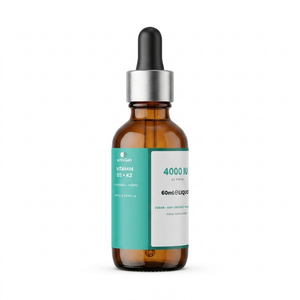
Our Vitamin D3 + K2 Drops are a high-strength liposomal liquid that delivers 4000 IU of vitamin D3 together with 100µg of vitamin K2 (MK-7) per serving, in a natural apple and vanilla flavour. The bottle is a 60ml dropper, so you can take it straight or add it to a cold drink, and it is GMP certified and made in the UK. At £24.99, it is designed for people who want a reliable, adjustable way to keep their intake topped up – including through summer, if your lifestyle means you are not getting much sun on your skin.
Because vitamin D works alongside other nutrients, some people like to pair it with a daily routine that also supports immune function and recovery. If immune support is your focus, our Liposomal Vitamin C is a popular companion, as vitamin C also contributes to the normal function of the immune system. And if rest and recovery are on your mind, our magnesium guide is worth a read.
A quick note on safety: more is not always better with fat-soluble vitamins. Stick to the dose on the label, do not double up across multiple products without checking the totals, and ask a healthcare professional if you are pregnant, breastfeeding or on medication.
Frequently asked questions
Can I get all my vitamin D from the sun in summer?
Many people in the UK can make enough from short, regular sun exposure between late March and the end of September. However, time spent indoors, sunscreen use, skin tone and age all affect how much you actually produce – so some people choose to supplement year round.
How much vitamin D should I take?
UK guidance gives a reference intake of 10µg (400 IU) a day for those who supplement. Higher-strength products are available; if you are unsure what suits you, ask a pharmacist or GP.
Why combine vitamin D3 with K2?
They are often paired because both are involved in bone maintenance – vitamin D contributes to the maintenance of normal bones, and vitamin K contributes to the maintenance of normal bones too. Combining them in one product simplifies a daily routine.
When is the best time of day to take it?
There is no single "correct" time, but because vitamin D is fat-soluble it is best taken with a meal that contains some fat to support absorption. Pick a time you will remember consistently.
Is a liquid better than a capsule?
Neither is inherently "better" – it comes down to preference. Liquids and drops make it easy to adjust the amount and can suit people who dislike swallowing capsules. The most important thing is choosing a format you will take regularly.
activGen Vitamin D3 + K2 Drops are a high-strength liposomal liquid delivering 4000 IU of vitamin D3 with 100µg of vitamin K2 (MK-7) per serving, in a natural apple & vanilla flavour. A 60ml dropper bottle, GMP certified and made in the UK. See the full product.
📩 Want the no-hype version delivered to you?
We're building an honest, jargon-free library on the supplements everyone's talking about — what the evidence actually says, minus the marketing. Join the activGen list (sign-up's at the bottom of the page) and we'll let you know when new breakdowns land.
This article is for general information and education only and is not medical advice. Food supplements are not a substitute for a varied, balanced diet and a healthy lifestyle. If you have a health condition or take medication, speak to a qualified healthcare professional before starting a new supplement.